
E933 | Cash-Based PT Clinic Owner Interview With Morgan Rodriguez
Jul 02, 2026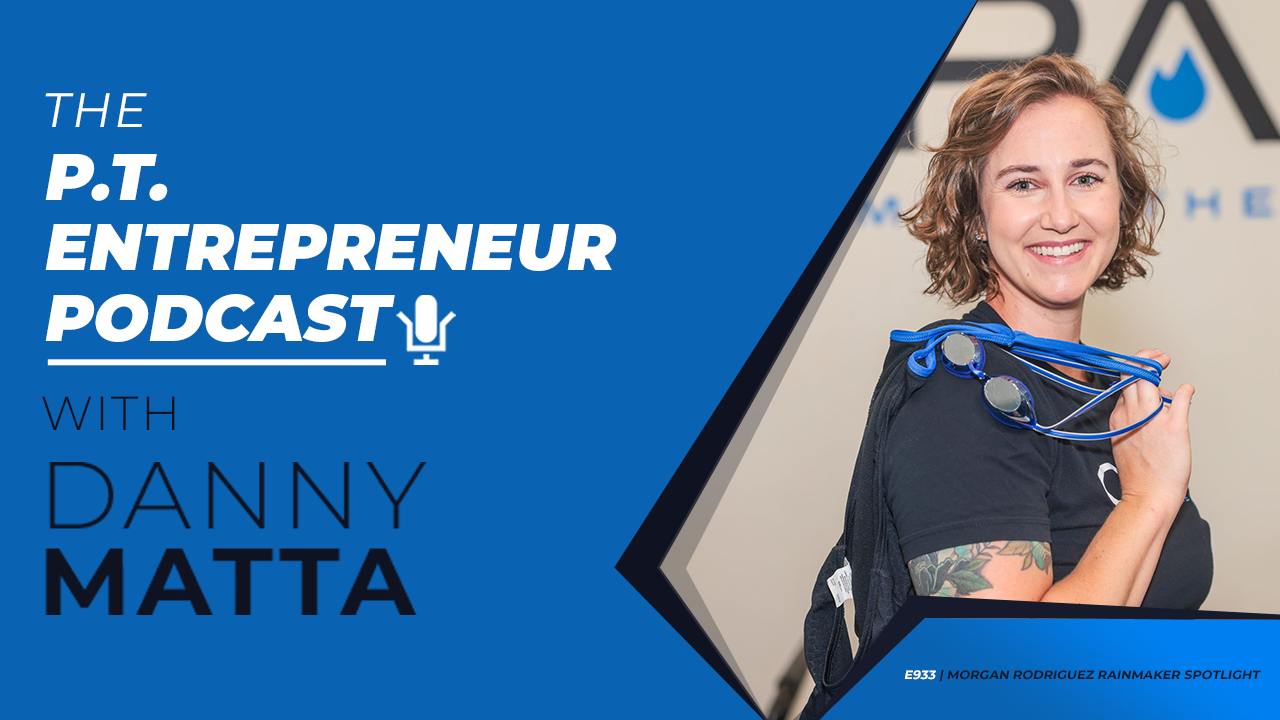
How Morgan Rodriguez Built Opal Movement Therapy From a Gym Sublease Into a Growing Cash-Based Practice
Morgan Rodriguez did not wait until everything was perfect to start her practice.
She did not have a polished website.
She did not have a massive marketing plan.
She did not have unlimited time.
What she did have was an opportunity, a small room inside a gym, strong clinical skills, and the willingness to start before she felt completely ready.
In this episode, PT Biz coach Michael Sclafani interviews Morgan Rodriguez, owner of Opal Movement Therapy in the Austin, Texas area, about how she started her cash-based practice while working full time, completing a fellowship, and building the business on the side.
Her story is a great example of what the early stages of a cash practice actually look like.
Not perfect.
Not easy.
But absolutely possible.
Starting Opal Before the Timing Was Perfect
Morgan was only about a year and a half out of PT school when she started Opal Movement Therapy.
At the time, she was working full time and completing an orthopedic fellowship.
Her original plan was simple.
Finish the fellowship first.
Then start the clinic.
But opportunity showed up earlier than expected.
A gym owner reached out because the PT renting space from him was moving. He asked Morgan if she would ever want to start her own practice out of the gym.
She said yes immediately.
No long delay.
No overthinking.
No perfect plan.
She already had her LLC formed, but she had not done much with it yet. That phone call forced her to take action.
The First Clinic Was a 10x10 Room
Opal started in a small 10x10 room inside a gym.
Morgan had a treatment table, a strong clinical skill set, and access to a community of active people who already valued movement and training.
That was enough to begin.
She was working 2.5 days per week at Opal while still maintaining her full-time clinical job and fellowship responsibilities.
It was not glamorous.
She was time poor.
She was tired.
But she had a clear starting point.
And that starting point was the gym community right in front of her.
Her First Marketing Strategy Was Simple
Morgan did not try to market to everyone.
She started with the people already inside the gym.
Every gym member received one complimentary consult.
That was the entry point.
It gave members a low-pressure way to experience her clinical skill and gave Morgan a chance to build trust without needing a big advertising budget.
Some of those early consults turned into clients she still sees years later.
This is a huge lesson for new cash practice owners.
You do not need a complicated marketing machine on day one.
You need conversations.
You need relationships.
You need opportunities to show people how you can help.
Workshops Became a Core Growth Tool
Because Morgan was so limited on time, she needed marketing strategies that were efficient.
Monthly workshops became one of her best tools.
She loved teaching, so workshops allowed her to lead from a strength.
She could educate, build trust, create authority, and give people a reason to keep engaging with Opal.
One patient attended nine workshops before eventually buying a package and becoming a member.
That is the long game.
Not every lead converts immediately.
But consistent education creates familiarity and trust.
For Morgan, workshops also became content. She would record them, cut them into short clips, and use those clips on social media.
That allowed one event to serve multiple purposes.
Clinical Excellence Was the Foundation
Morgan had a strong clinical foundation from her fellowship and high-volume clinic experience.
That mattered.
When people came in for consults, she could often identify a missing piece quickly and show them value right away.
This is a big reason Opal grew.
The marketing got people curious.
The clinical experience made them trust her.
Morgan’s story is a reminder that cash practices are not built on marketing alone.
The service has to be excellent.
Patients need to feel seen, understood, and helped.
When that happens, referrals become much easier.
She Built Around Relationships Instead of Cold Outreach
Morgan did not have time to visit every gym, studio, or referral source in Austin.
So she used the relationships closest to her.
Gym members introduced her to trainers.
Trainers introduced her to chiropractors.
Clients connected her with other professionals.
Instead of forcing dozens of cold relationships, she built from warm connections.
That approach worked because it was realistic for her season of life.
She did not have unlimited hours.
So she focused on the people already one step away from her current network.
Why Professional Courtesy Visits Helped
One smart strategy Morgan used was offering complimentary or professional courtesy visits to coaches, trainers, and referral partners.
This served two purposes.
First, it let them experience Opal firsthand.
Second, it helped Morgan decide whether that relationship was worth pursuing.
Sometimes she realized the person or business was not a fit.
Other times, one visit turned into a strong long-term referral relationship.
That is an important point.
Not every potential partner deserves the same amount of energy.
The best partnerships are built around shared values, similar standards, and trust.
Learning What Referral Sources Are Worth Pursuing
Morgan also learned that not every gym or community converts the same way.
Some workshops produced strong leads.
Others produced interest but little follow-through.
Some communities valued what Opal offered.
Others were not aligned financially or culturally.
That is part of the process.
You test.
You learn.
You adjust.
Morgan shared that one CrossFit gym produced interest, but people were not completing plans of care. Eventually, she learned that the environment and clientele were not the best fit at that time.
Later, ownership changed, and the relationship became worth revisiting.
That is the nuance.
You do not need to permanently burn bridges.
But you do need to be honest about where your time is producing results.
Social Media Grew From Real Education
Morgan did not start social media with a polished strategy.
She started by posting one thing per day.
Then she began recording workshops and family treatment sessions, turning them into short educational clips.
Some of those videos performed extremely well.
Eventually, social media became a meaningful lead source for Opal.
Today, a significant portion of Opal’s caseload has come from social media, even though they only recently started using paid ads.
The reason it works is simple.
The content is educational.
It reflects the way Morgan actually treats and teaches.
It shows the clinic’s philosophy.
That creates trust before someone ever walks in the door.
Going Full Time Required a Breaking Point
By July 2023, Morgan was seeing 22 patients across two days at Opal while still working her other job and completing fellowship responsibilities.
She was barely sleeping.
Her workouts were almost gone.
Her relationship was strained.
She described it as a deep, dark hustle season.
Eventually, she realized it was not sustainable.
In October 2023, she went full time with Opal.
That transition changed everything.
She could finally put her full energy into the business she had been building on the side.
Opal Movement Therapy Today
Opal Movement Therapy has grown far beyond the original 10x10 room.
Today, Opal still shares space with the gym, but the facility has grown into a 5,000-square-foot space.
Opal now has:
Two full-time PTs
An administrative assistant
Multiple treatment tables
Gym access
Squat racks
Pilates reformer
Smith machine
Massage therapy in the space
A strong active adult population
Morgan has considered moving into a standalone space, but the current shared model still makes sense because the values between Opal and the gym are aligned.
That alignment matters.
The gym offers a high level of coaching and attention.
Opal offers a high level of physical therapy and patient care.
The two businesses complement each other.
The Mastermind Helped Her Keep Growing
After Rainmaker, Morgan eventually joined the PT Biz Mastermind.
One of the biggest values for her was having people who could look at the business and point out obvious opportunities she was too close to see.
For example, Brooke Miller helped her realize that her discounted new client special was costing her thousands of dollars.
John Licata encouraged her to create a twice-per-month membership option.
Morgan implemented it and quickly put multiple people on that membership.
Those small adjustments created real revenue.
That is one of the biggest benefits of coaching.
Sometimes you do not need a giant strategy overhaul.
You need someone experienced to show you the next obvious move.
Monthly Membership Became a Major Lesson
One of Morgan’s biggest pieces of advice is simple.
If you do not have a monthly plan, create one.
She believes she missed out on 20 to 30 patients by not having that option sooner.
Recurring revenue matters because Opal is built as a longevity clinic.
They are not just trying to help someone once and disappear.
They want to help proactive adults move better, train hard, and age strong.
That naturally leads to ongoing care.
Monthly memberships support that model.
Hiring Created a New Set of Problems
As Opal grew, Morgan moved from solo operator to team leader.
That brought new challenges.
Her first PT hire did not work out.
She also admits she was so busy with her own caseload that she was not leading as well as she needed to.
That is a real lesson.
Hiring is not just about finding someone.
It is about having the time, systems, and leadership capacity to help them succeed.
Since then, Morgan has improved her hiring, onboarding, compensation structure, and leadership approach.
Now she has two full-time PTs and is preparing to hire again when the numbers support it.
Price Increases Helped Support Better Hiring
After her first PT left, Morgan had to absorb more patient volume.
She raised her rate from $249 to $299.
That increase helped create more room in the business.
It gave her more flexibility to pay future clinicians well and build a healthier compensation model.
This is one of the bigger lessons for clinic owners.
Pricing is not just about what the owner makes.
Pricing affects your ability to hire, retain, and support great people.
If the clinic undercharges, everyone eventually feels the squeeze.
Morgan’s Biggest Takeaway
Morgan’s journey proves that you do not need everything figured out before you start.
You need enough to begin.
A room.
A table.
A community.
A willingness to teach.
A willingness to build relationships.
A commitment to delivering excellent care.
The rest can develop as you go.
Her story is especially helpful for clinicians still in the side-hustle stage who feel like they are not ready yet.
You may not feel ready.
But readiness often comes after action, not before it.
Technology Spotlight
In a cash-based practice, patient experience is everything.
That is why documentation matters so much.
If clinicians are spending visits clicking through an EMR instead of paying attention to the patient, the experience suffers.
Claire is an AI scribe trained for physical therapists that helps clinicians reduce documentation time and stay present with patients.
Try Claire free for 7 days:
https://www.meetclaire.ai/?utm_source=preroll&utm_medium=podcast&utm_campaign=pt_entrepreneurs
Learn More About Morgan Rodriguez and Opal Movement Therapy
Morgan Rodriguez is the founder of Opal Movement Therapy in the Austin, Texas area.
Learn more about Opal here:
https://www.opalmovementtherapy.com/
Watch More PT Biz Training
For more cash practice training, clinician interviews, and business growth strategies, subscribe to the PT Biz Training YouTube channel:
https://www.youtube.com/@ptbiztraining
Final Thought
Morgan Rodriguez built Opal Movement Therapy by starting before things were perfect.
She used the community in front of her.
She taught consistently.
She delivered excellent care.
She built relationships.
Then she kept refining the business as it grew.
That is the real story of entrepreneurship.
Not having every answer on day one.
Taking the next right step, learning from each phase, and building something that gets stronger over time.